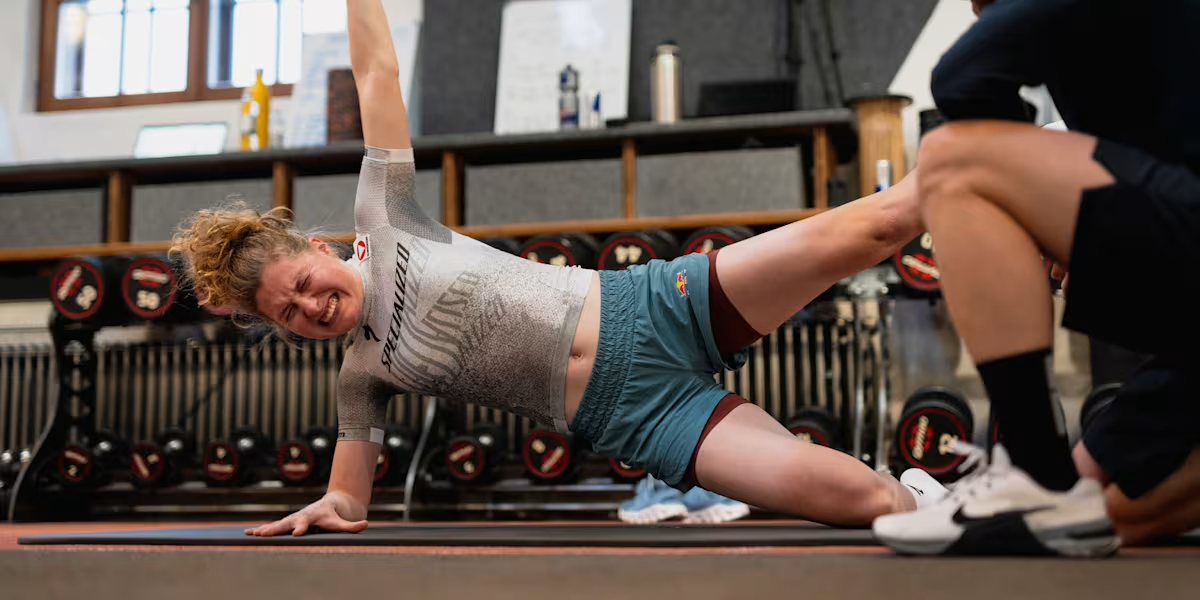
Stepping back into a gym or starting a workout routine can feel completely different after life delivers a painful experience. Fitness spaces often focus on discipline, intensity, and pushing limits, yet the emotional reality behind many people’s journeys rarely receives attention. Behind the surface of strength and progress, many individuals carry memories, stress, and emotional wounds that change the way movement feels.
The fitness world often celebrates transformation stories that move quickly from struggle to success. Those stories can be inspiring, but they also leave out an important part of the human experience. Healing rarely follows a straight path, and physical training after emotional hardship can feel complicated in ways that most programs and trainers never discuss.
My own relationship with training changed once I recognized how deeply personal experiences shape physical effort. Returning to exercise after emotional hardship forced me to rethink what progress looked like. The process taught me lessons about patience, self-awareness, and resilience that traditional fitness advice rarely touches.
The Quiet Reality Many People Carry Into the Gym
Gyms are often portrayed as places of pure motivation and energy. Music plays loudly, people push through intense workouts, and the atmosphere encourages strength and determination. Beneath that environment, however, many people walk in carrying heavy emotional weight.
Trauma does not disappear simply because someone steps onto a treadmill or picks up a barbell. Stress responses can surface unexpectedly during physical exertion. Certain movements, sounds, or environments can trigger memories or emotions that make training feel overwhelming.
I noticed this dynamic through conversations with others and through personal reflection. The more I paid attention, the clearer it became that many people were navigating invisible struggles while trying to stay committed to fitness. Training after trauma: what no one in the fitness world addresses often begins with acknowledging this hidden reality.
Physical Training Can Stir Up Unexpected Emotions
Exercise changes the body in powerful ways, but it also affects the nervous system and emotional state. Intense workouts can bring buried emotions to the surface without warning. A routine that once felt empowering may suddenly feel uncomfortable or emotionally draining.
This experience confused me at first. Physical activity had always been a way to clear my mind, yet certain workouts began to bring up frustration or sadness that seemed unrelated to the exercises themselves. It took time to realize that movement sometimes releases emotions stored in the body.
Recognizing this connection changed how I interpreted difficult workouts. Instead of assuming something was wrong with my discipline, I started viewing emotional responses as part of the healing process. Training after trauma: what no one in the fitness world addresses includes the emotional complexity that physical effort can reveal.
The Pressure To Be Strong All the Time
Fitness culture often celebrates toughness and perseverance. Phrases about pushing through pain and refusing to quit appear everywhere in gyms and training programs. While resilience is valuable, constant pressure to appear strong can make recovery more difficult for people healing from trauma.
Some days the mind and body simply need space rather than intensity. Forcing workouts during moments of emotional exhaustion can create frustration instead of progress. The expectation to maintain relentless strength sometimes discourages people from acknowledging what they are going through.
Admitting vulnerability felt uncomfortable at first because fitness environments rarely encourage it. Over time I realized that honesty about emotional limits actually improved my training. Accepting difficult days made it easier to return stronger later.
Safety and Trust Inside Physical Spaces
Feeling safe plays a crucial role in recovery after trauma. Many people underestimate how much the environment of a gym can influence comfort and confidence. Loud spaces, crowded equipment areas, or aggressive coaching styles can make training feel stressful rather than supportive.
I began paying closer attention to how different environments affected my mindset. Some gyms felt energizing, while others triggered tension that made workouts harder to focus on. The difference often came down to atmosphere, respect, and the behavior of people around me.
Finding spaces where training felt emotionally safe made a noticeable difference. Supportive environments allowed me to focus on movement without constantly scanning the room for discomfort. Training after trauma: what no one in the fitness world addresses includes the importance of psychological safety during physical activity.
Progress Looks Different After Difficult Experiences
Traditional fitness programs often measure progress through numbers. Strength increases, faster running times, and visible physical changes become the primary indicators of improvement. After trauma, progress can take on a completely different meaning.
Some days success simply meant showing up and moving for a short period of time. Other days progress involved listening to my body and deciding to rest instead of pushing harder. These moments may not appear impressive on paper, but they represented important steps toward rebuilding balance.
Shifting my perspective helped remove pressure from the process. Training became less about chasing performance and more about rebuilding trust with my body. This mindset allowed gradual progress without forcing unrealistic expectations.
The Nervous System and Physical Training
Trauma often affects the nervous system in ways that influence energy levels, focus, and physical recovery. Stress responses can cause the body to remain in a heightened state of alertness. That tension sometimes makes intense workouts feel overwhelming rather than energizing.
I started noticing how certain exercises changed my breathing and heart rate in ways that felt different from normal exertion. Recognizing these signals helped me adjust my training style. Slower movements, controlled breathing, and moderate intensity workouts sometimes felt more beneficial than pushing maximum effort.
Listening to these signals improved my relationship with exercise. Instead of fighting against my body’s responses, I began working with them. Training after trauma: what no one in the fitness world addresses includes this connection between emotional stress and physical recovery.
Patience Becomes a Core Part of the Process
Recovery rarely follows the timeline people expect. Fitness culture often emphasizes quick transformations and rapid improvement, yet healing after trauma tends to unfold gradually. Accepting that pace required a shift in mindset.
I noticed that impatience often created frustration. Wanting to return immediately to previous strength levels made it easy to overlook the emotional side of recovery. Slowing down helped rebuild stability in both body and mind.
Patience also allowed space for reflection. Instead of rushing through workouts, I paid attention to how movement affected my mood and energy. These observations helped guide healthier training decisions.
Movement as a Tool for Reconnecting With the Body
Trauma can create a sense of disconnection between the mind and body. Physical sensations sometimes become uncomfortable or overwhelming. Exercise, when approached carefully, can help rebuild that connection.
Simple movements like walking, stretching, or controlled strength exercises became opportunities to pay attention to physical sensations again. Gradually I began to feel more comfortable being present in my body during activity.
This process changed the purpose of training. Workouts became less about appearance or performance and more about rebuilding trust with physical movement. That shift brought a deeper sense of appreciation for the role exercise can play in emotional recovery.
The Role of Supportive Communities
Fitness journeys often feel easier when shared with supportive people. Encouragement from understanding friends, training partners, or coaches can make a meaningful difference during recovery. Positive environments help reduce the isolation that trauma sometimes creates.
I noticed how conversations with empathetic individuals changed my perspective on difficult training days. Instead of feeling like I was failing, I began to see setbacks as normal parts of the process. Supportive communities provide space for honesty without judgment.
Not everyone in the fitness world recognizes the importance of emotional awareness. Finding people who value both mental and physical well-being can transform the training experience.
Letting Go of Comparison
Comparison often appears naturally in gym environments. Watching others lift heavier weights or complete intense workouts can create pressure to match their pace. After trauma, that pressure can become particularly harmful.
My body and mind needed time to recover, yet comparison sometimes convinced me that I was falling behind. Recognizing that progress follows different timelines helped release that pressure.
Training began to feel more personal once I focused on my own experience rather than external benchmarks. Removing constant comparison allowed space for genuine improvement.
Redefining Strength
Strength is often defined by physical performance. Lifting heavier weights, running longer distances, or pushing through intense workouts are common measures of toughness. After experiencing emotional hardship, my definition of strength began to change.
Strength sometimes meant showing compassion toward myself on difficult days. Other times it meant continuing to move forward despite fear or uncertainty. Emotional resilience became just as important as physical capability.
Training after trauma: what no one in the fitness world addresses often centers on this expanded definition of strength. True resilience includes both physical effort and emotional awareness.
Gradual Confidence Returns Through Consistency
Confidence rarely returns all at once. Small, consistent actions slowly rebuild trust in the body and mind. Each workout completed with patience contributes to that process.
I noticed that confidence grew quietly through routine rather than dramatic breakthroughs. Showing up regularly created a sense of stability that supported emotional recovery. These small victories often mattered more than impressive physical milestones.
Consistency eventually transformed uncertainty into familiarity. The gym began to feel less intimidating and more like a place for growth again.
A Different Relationship With Fitness
Healing after trauma often leads to a deeper relationship with physical activity. Exercise becomes less about external expectations and more about internal balance. This shift can bring greater appreciation for the role movement plays in overall well-being.
I started noticing how workouts improved my mood, sleep, and focus rather than focusing only on physical outcomes. These benefits reinforced the value of training in a more meaningful way.
Fitness gradually evolved from a strict routine into a supportive practice. The process helped rebuild stability during a time when many aspects of life felt uncertain.
Conclusion
Recovery from trauma affects far more than emotional well-being. It influences how the body responds to stress, movement, and physical effort. Despite this reality, the fitness world rarely speaks openly about these challenges.
Training after trauma: what no one in the fitness world addresses includes emotional responses, nervous system sensitivity, and the need for patience during recovery. Acknowledging these factors allows people to approach fitness with greater compassion and realism.
Progress may unfold slowly, but that does not diminish its value. Each step toward rebuilding strength represents resilience in action. Through patience, supportive environments, and self-awareness, exercise can gradually become a source of healing rather than pressure.
Fitness journeys rarely look identical, especially after life delivers difficult experiences. Accepting that truth allows training to become more human, more flexible, and ultimately more sustainable.
