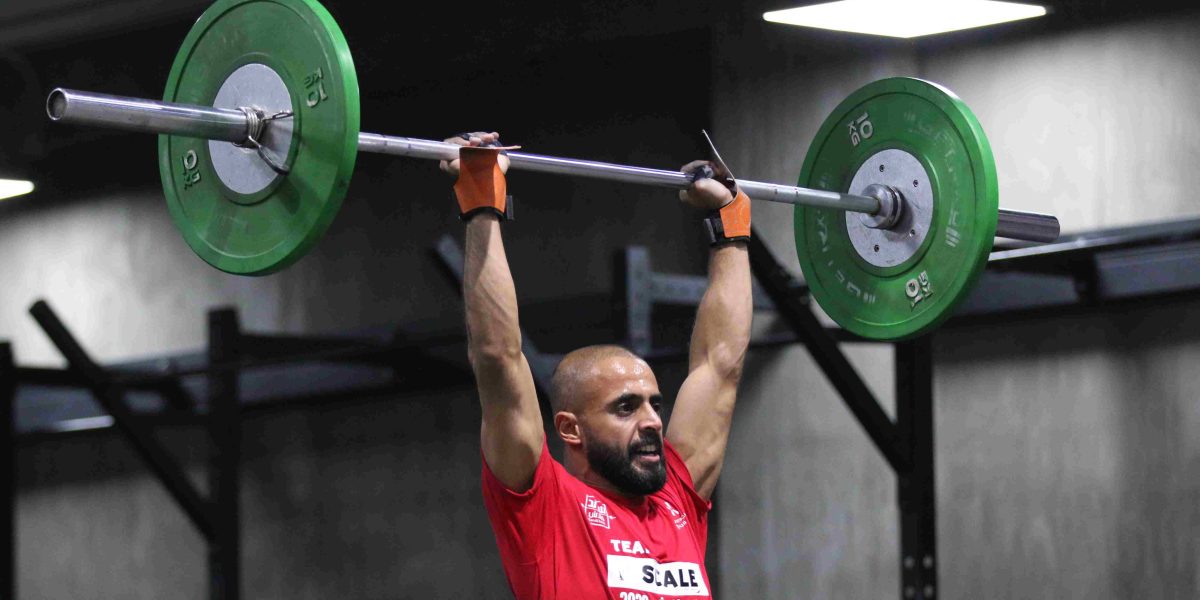
Effort reveals more about a person than talent ever will. Hours spent pushing through difficult workouts expose habits, attitudes, and mental strength that remain hidden during comfortable moments. The gym quickly becomes a place where excuses lose their power and discipline takes center stage.
Progress rarely favors those who wait for motivation. Consistent effort grows from a mindset that values hard work even when enthusiasm fades. That mindset slowly transforms the way challenges are handled both inside and outside the gym.
That shift in perspective forms the foundation of how to build a warrior work ethic in the gym (and in life). Strength training becomes more than physical improvement once discipline begins shaping daily behavior. The habits formed under a barbell often follow into work, relationships, and personal goals.
Discipline Over Motivation
Motivation often feels powerful in the beginning of a fitness journey. New goals create excitement, and the first few workouts carry a burst of energy that makes training feel easy. That feeling rarely lasts long enough to sustain real progress.
Some days arrive with low energy, stress from work, or simple mental fatigue. Waiting for inspiration during those moments leads to missed sessions and stalled progress. Discipline fills the gap that motivation leaves behind.
A warrior work ethic grows from the ability to show up regardless of mood. Training becomes a commitment rather than a negotiation. That consistency builds strength not only in the body but also in the habits that shape everyday life.
Accepting Discomfort As Part Of Growth
The body improves by facing challenges that push beyond familiar limits. Heavy lifts, intense cardio sessions, and demanding circuits create discomfort that many people try to avoid. That discomfort often signals that progress is taking place.
Accepting difficult moments inside a workout changes the way effort feels. Instead of seeing fatigue as a warning sign to stop, it becomes a sign that the muscles are being pushed toward improvement. The mind gradually adapts to that perspective.
This mindset shift plays a major role in how to build a warrior work ethic in the gym (and in life). Challenges in daily situations begin to feel more manageable once discomfort is no longer seen as a threat. The gym becomes a training ground for resilience.
Setting Clear Standards For Yourself
Progress becomes far easier when expectations remain clear. Walking into a workout without a defined goal often leads to inconsistent effort. A clear plan, on the other hand, creates structure and accountability.
Personal standards might include finishing scheduled workouts, maintaining proper form, or pushing through the final difficult repetitions of each set. These standards act like personal rules that guide behavior even when motivation fades.
Following those standards consistently develops mental toughness. The habit of meeting expectations inside the gym often carries into work projects, personal responsibilities, and long term goals.
Small Wins Build Powerful Momentum
Large transformations rarely happen overnight. Strength, endurance, and discipline grow through small improvements repeated over long periods of time. A slightly heavier lift, an extra repetition, or an additional workout each week gradually builds momentum.
Those small victories may feel insignificant in the moment, but they accumulate into meaningful progress. Confidence begins growing as each improvement proves that effort produces results.
This steady accumulation plays a role in how to build a warrior work ethic in the gym (and in life). Consistent effort becomes a habit rather than a temporary burst of motivation. The mind begins trusting the process because results appear over time.
Accountability Changes Everything
Training alone requires a strong sense of personal responsibility. Without accountability, it becomes easy to cut workouts short or skip them entirely. Establishing systems that encourage commitment can make a significant difference.
Some people rely on training partners, while others track their workouts in journals or digital apps. Recording progress creates a visible record of effort and improvement. That record becomes a powerful reminder of the work already invested.
Holding yourself accountable builds integrity. The ability to follow through on commitments strengthens both physical and mental discipline. That sense of responsibility often extends far beyond the gym environment.
Consistency Beats Intensity Over Time
High intensity workouts attract attention, but consistency produces lasting results. A single exhausting session cannot replace weeks of steady training. The body adapts best to repeated effort applied over long periods.
Some days deliver impressive performance, while others feel slower and less productive. Maintaining the habit of showing up matters far more than chasing perfect workouts. Consistency builds the base that supports long term improvement.
That principle shapes how to build a warrior work ethic in the gym (and in life). Persistence becomes the defining characteristic rather than occasional bursts of enthusiasm. Reliable effort creates stronger results than inconsistent intensity.
Mental Toughness Develops Under Pressure
Difficult workouts often reveal the true strength of the mind. Heavy sets and demanding circuits push the body into uncomfortable territory. Those moments create opportunities to develop mental toughness.
Finishing a challenging set requires concentration and determination. The body may signal fatigue, yet the mind decides whether to continue or stop. Choosing to finish the task builds confidence with each successful effort.
That resilience begins influencing daily challenges as well. Stressful work situations, personal setbacks, and unexpected obstacles become easier to manage once mental toughness grows through physical training.
Respecting Recovery And Balance
Hard work alone cannot sustain progress without proper recovery. Muscles repair and strengthen during rest periods, making sleep and nutrition essential parts of training. Ignoring recovery often leads to fatigue or injury.
Balance also plays an important role in maintaining a warrior mindset. Time spent outside the gym allows the body and mind to recharge. Healthy habits outside workouts support better performance during training sessions.
This balanced perspective strengthens how to build a warrior work ethic in the gym (and in life). Hard work remains important, but it functions best when paired with smart recovery and thoughtful planning.
Confidence Comes From Effort
Confidence rarely appears without a reason. True self belief grows from repeated experiences where effort leads to progress. Each completed workout contributes to that sense of capability.
Lifting heavier weights or finishing difficult routines proves that limits can be expanded. That realization slowly transforms how challenges are viewed. Instead of fearing difficult tasks, the mind begins seeing them as opportunities.
This shift highlights an important aspect of how to build a warrior work ethic in the gym (and in life). Confidence built through effort becomes reliable because it rests on real experience rather than temporary motivation.
Long Term Vision Shapes Daily Habits
Strong work ethics often develop from clear long term goals. Whether the objective involves improved strength, better health, or personal transformation, having a meaningful destination guides daily actions.
Daily workouts become steps toward a larger vision. Each session contributes to a gradual process that shapes both body and character. Viewing training through that long term perspective makes consistency easier to maintain.
That sense of purpose reinforces how to build a warrior work ethic in the gym (and in life). Effort feels meaningful when connected to a broader goal. The discipline developed through training becomes part of a larger personal mission.
Carrying The Warrior Mindset Beyond The Gym
The habits built through physical training often extend far beyond fitness. Discipline learned during early morning workouts can influence productivity during work hours. Persistence developed through difficult sets can strengthen problem solving during challenging situations.
Challenges outside the gym begin to feel less intimidating once the mind becomes accustomed to pushing through discomfort. Confidence built through physical effort translates into greater resilience in everyday life.
How to build a warrior work ethic in the gym (and in life) ultimately becomes a lesson in character development. The gym provides a structured environment where effort, discipline, and perseverance grow stronger through repetition.
The Path Toward Lasting Strength
True strength involves far more than physical ability. A powerful work ethic combines discipline, resilience, and commitment to long term growth. These qualities develop gradually through consistent effort and patience.
The gym offers a place where those traits can be practiced daily. Each workout presents a new opportunity to reinforce discipline and push beyond previous limits. Over time those efforts reshape both body and mindset.
How to build a warrior work ethic in the gym (and in life) becomes a process rather than a destination. The journey involves constant improvement, steady commitment, and the willingness to continue working even when progress feels slow. Those qualities create a mindset capable of handling challenges both inside the gym and throughout life.
