Conversations about health and fitness have shifted dramatically over the past decade. Social media, public discussions, and personal experiences have all played a role in changing how people talk about body image. The pressure to look perfect has slowly been challenged by a growing movement encouraging people to accept themselves as they are.
This shift has brought a lot of positive change. People are beginning to recognize that bodies come in different shapes, sizes, and capabilities. The unrealistic standards pushed by advertising and entertainment industries are no longer accepted without question.
At the same time, the conversation sometimes moves in a direction that creates a different kind of confusion. In some circles, improving fitness is treated as if it conflicts with self-acceptance. The moment someone talks about training harder, losing weight, or improving their health, the discussion becomes complicated.
That tension leads to an important realization. Body positivity is great — but it doesn’t have to mean staying unfit. Accepting your body and improving your health are not enemies. In fact, they can support each other in ways many people overlook.
Self-Respect And Physical Health Can Exist Together
Respecting the body begins with recognizing its value. A body that carries you through daily life deserves care, attention, and appreciation. That appreciation does not disappear simply because someone wants to improve their fitness.
Training the body is one way of expressing that respect. Exercise strengthens muscles, improves mobility, and supports long-term health. Nutrition fuels the body so it can perform daily tasks and recover from physical effort.
Some people assume that wanting change automatically means rejecting the body they have. The reality is more complex. Wanting to become stronger or healthier can come from a place of appreciation rather than dissatisfaction.
A person who values their body often becomes more motivated to protect and develop it. Fitness can grow from that mindset rather than competing with it.
The Difference Between Shame And Motivation
Fitness advice often fails because it relies on shame as a motivator. People are told their bodies are not good enough, which creates pressure to change quickly. That approach may spark short bursts of effort, but it rarely leads to long-term consistency.
Body positivity challenged this harmful pattern by encouraging people to reject shame-based messaging. The movement reminded people that their worth is not determined by appearance or body fat percentage.
The problem arises when the rejection of shame turns into the rejection of improvement. Removing guilt from the conversation does not mean removing the possibility of growth.
Motivation can come from curiosity, personal goals, and the desire to feel stronger or more capable. Those motivations build healthier relationships with fitness than pressure or embarrassment ever could.
Health Extends Beyond Appearance
Fitness culture often focuses heavily on visual results. Social media feeds display toned abs, sculpted arms, and dramatic transformation photos. This emphasis creates the impression that fitness exists primarily for aesthetic reasons.
Health involves far more than appearance. Strong muscles support joint stability and reduce injury risk. Cardiovascular fitness improves endurance and heart health. Mobility allows the body to move freely through everyday activities.
A person may feel comfortable with their appearance while still wanting to improve these aspects of health. Training for endurance or strength does not automatically mean chasing a specific body type.
Body positivity is great — but it doesn’t have to mean staying unfit because health includes many benefits that have nothing to do with looks.
The Emotional Side Of Movement
Exercise influences mental well-being in powerful ways. Physical activity stimulates chemical changes in the brain that support mood regulation and stress relief. A challenging workout can transform a difficult day into something more manageable.
Movement also provides a sense of accomplishment. Completing a run, finishing a tough strength session, or mastering a new skill reinforces confidence. These experiences build a deeper connection between physical effort and emotional resilience.
People who associate fitness only with body image miss this broader impact. Movement becomes far more meaningful when it is viewed as a tool for mental balance as well as physical strength.
Body acceptance and emotional well-being often improve together when exercise becomes part of daily life.
Fitness Does Not Require Perfection
One misconception surrounding fitness is the belief that improvement requires extreme discipline. Images of professional athletes and fitness influencers reinforce the idea that serious training demands a complete lifestyle overhaul.
Most people do not need to train like competitive athletes to experience meaningful benefits. Moderate exercise performed consistently produces significant improvements in strength, endurance, and energy levels.
Short workouts, daily walks, or recreational sports can all contribute to better health. These habits may not produce dramatic visual transformations, but they support long-term wellness.
Body positivity becomes easier to maintain when fitness expectations remain realistic. Improvement does not require chasing perfection.
Rejecting Extremes On Both Sides
Public discussions about health often swing between extremes. One side promotes relentless self-criticism in pursuit of an ideal physique. The other side suggests that any desire for physical improvement represents a rejection of self-acceptance.
Neither extreme reflects a balanced perspective. Self-criticism damages confidence and creates unhealthy relationships with exercise. Complete indifference toward physical health can limit long-term well-being.
A balanced approach recognizes the value of both acceptance and improvement. Appreciating the body as it exists today does not eliminate the possibility of building strength or endurance tomorrow.
The idea that body positivity is great — but it doesn’t have to mean staying unfit reflects that middle ground. It allows room for compassion without abandoning personal growth.
Building A Sustainable Relationship With Fitness
Sustainability often determines whether fitness habits last longer than a few months. Programs built around punishment or extreme restriction rarely survive the pressures of daily life.
A healthier approach treats exercise as a supportive habit rather than a temporary challenge. Activities that feel enjoyable or meaningful become easier to maintain over time.
Some people enjoy weight training in the gym. Others prefer hiking, cycling, swimming, or team sports. The best routine is the one that fits naturally into daily life.
Body acceptance helps remove the urgency that drives unsustainable routines. Instead of chasing quick transformations, people can focus on habits that support long-term health.
Strength As A Form Of Self-Confidence
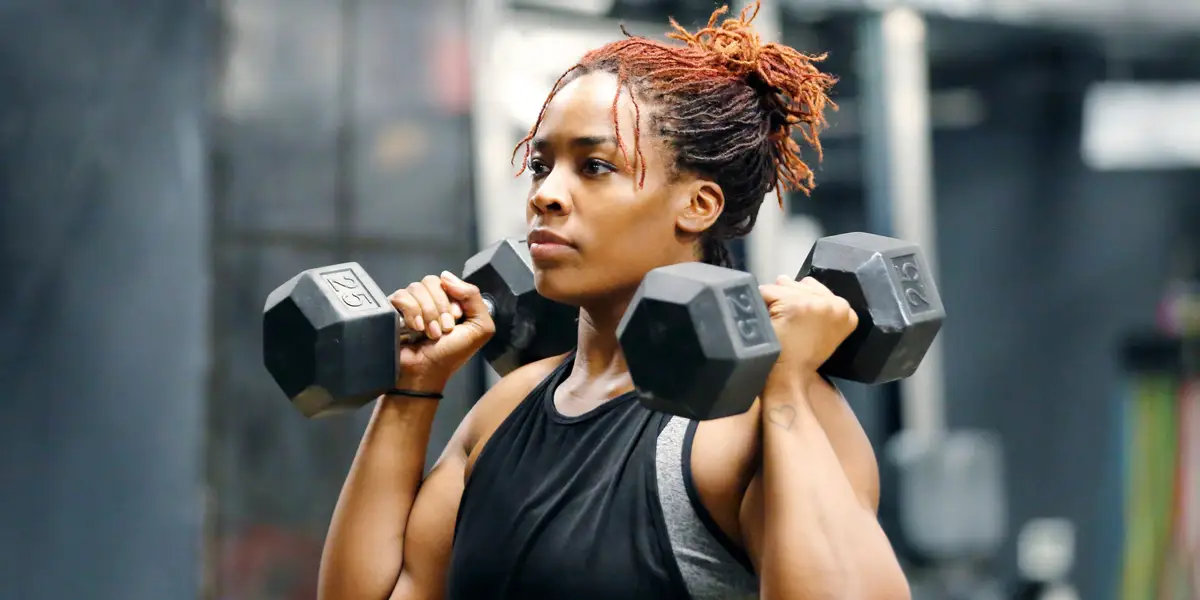
Physical strength often changes how people experience their bodies. Lifting heavier weights, running longer distances, or improving mobility creates a sense of capability that extends beyond appearance.
Strength builds confidence because it represents tangible progress. The body proves it can do more today than it could a few months earlier. That improvement becomes a powerful reminder of personal growth.
This perspective shifts the focus away from aesthetic comparisons. Instead of measuring progress against someone else’s physique, people begin measuring it against their own previous performance.
Confidence built through strength training complements the principles of body positivity. It encourages appreciation for what the body can accomplish rather than how closely it matches cultural ideals.
The Role Of Personal Responsibility
Accepting the body does not eliminate personal responsibility for health. Habits surrounding nutrition, sleep, and activity levels influence long-term well-being. Ignoring those factors can eventually lead to preventable health challenges.
Taking responsibility for these habits does not require guilt or harsh judgment. It simply involves recognizing that daily choices influence how the body functions over time.
Balanced nutrition fuels physical activity and supports recovery. Regular movement maintains strength and mobility. Adequate sleep allows the body to repair itself after stress.
These habits support health regardless of body size or shape. They reflect care rather than criticism.
The Influence Of Social Media Narratives
Online conversations often simplify complex topics into slogans or short statements. Nuanced ideas struggle to compete with messages that fit easily into a headline or caption.
Body positivity is great — but it doesn’t have to mean staying unfit represents a more complex conversation than most online platforms encourage. It acknowledges the value of acceptance while also encouraging healthy habits.
Unfortunately, social media discussions sometimes frame the topic as a battle between opposing viewpoints. This framing creates unnecessary conflict where cooperation could exist.
A more thoughtful perspective recognizes that self-respect and health improvement can work together. They do not cancel each other out.
Encouraging Progress Without Judgment
Supporting others in their fitness journeys requires empathy and patience. People arrive at health decisions from many different starting points. Personal history, environment, and emotional experiences all shape how individuals view their bodies.
Encouragement should focus on progress rather than perfection. Small improvements deserve recognition because they represent genuine effort. A person who begins walking regularly or experimenting with strength training is already moving in a positive direction.
Judgment rarely inspires lasting change. Compassion and support create environments where improvement feels safe and achievable.
This approach aligns naturally with the principles of body positivity while still promoting healthier habits.
Final Thoughts
Body acceptance has helped many people rebuild healthier relationships with themselves. It challenged harmful beauty standards and reminded individuals that their worth extends far beyond physical appearance.
At the same time, accepting the body does not mean abandoning the pursuit of better health. Exercise, balanced nutrition, and consistent self-care remain valuable tools for improving quality of life.
The message that body positivity is great — but it doesn’t have to mean staying unfit encourages a balanced perspective. It invites people to respect their bodies while also supporting their long-term well-being.
Fitness becomes far more meaningful when it grows from appreciation rather than criticism. Movement, strength, and endurance transform from obligations into expressions of care. That mindset allows acceptance and improvement to exist side by side, building a healthier relationship with the body for years to come.
