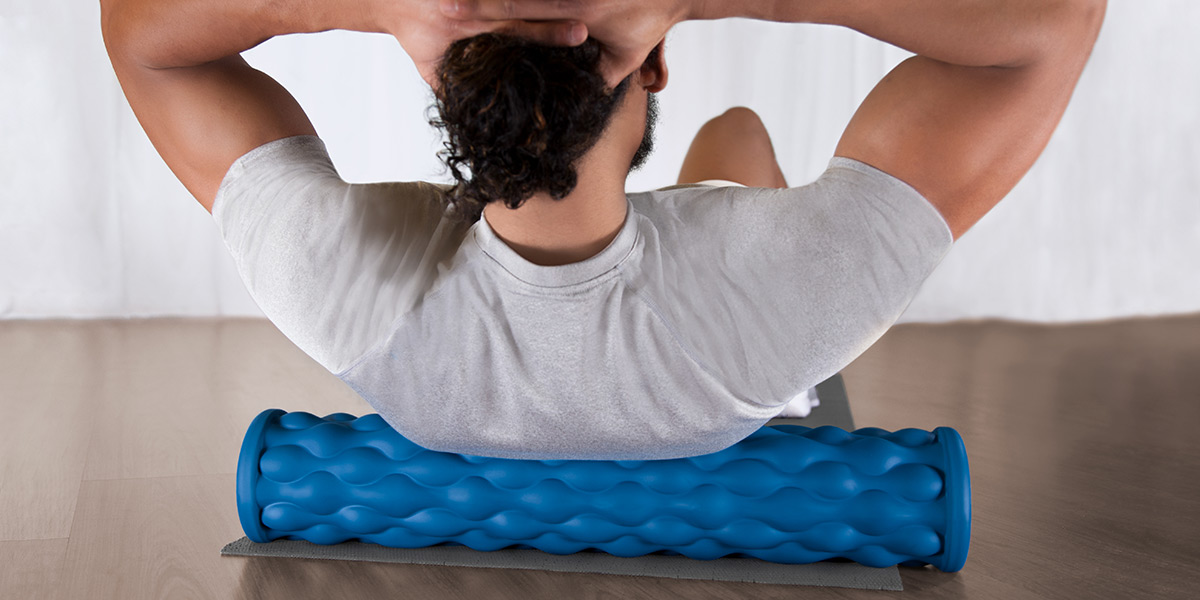
Sore muscles are part of training. Heavy squats, long runs, and high-volume workouts challenge the body in ways that leave muscles tight and tender the following day. That discomfort often signals that the body is adapting to stress, but it can also slow down the next workout if recovery is handled poorly.
Foam rollers have become one of the most common tools people use to deal with muscle soreness. Walk into almost any gym and you will see someone rolling their back, legs, or shoulders before or after a workout. The idea is simple: apply pressure to tight muscles to help them relax and recover faster.
The problem is that many athletes use foam rollers incorrectly without realizing it. Instead of reducing soreness, these mistakes can actually irritate already sensitive muscles and delay recovery. The conversation around the foam rolling mistakes that are making your soreness worse deserves more attention because a recovery tool only works if it is used properly.
Foam rolling can be incredibly effective when applied with the right technique and timing. Used the wrong way, it becomes another source of unnecessary stress on muscles that are already trying to repair themselves.
Rolling Too Aggressively
One of the most common mistakes happens when people treat foam rolling like a pain tolerance competition. The idea that more pressure equals better results leads many athletes to press their entire body weight into the roller and grind against tight muscles.
Muscle tissue that is already inflamed from training does not respond well to excessive force. Pressing too hard can irritate the tissue further, creating additional inflammation rather than relief. Instead of loosening tight areas, aggressive rolling often leaves muscles feeling more tender afterward.
Gentle, controlled pressure works far better than brute force. Foam rolling should feel like a gradual release of tension rather than an intense battle against pain. Reducing the pressure slightly often produces better results because the muscle can relax rather than defend itself.
Many athletes are surprised by how much better their bodies respond once they stop attacking sore muscles with excessive force.
Moving Too Fast Across Muscles
Speed is another factor that often gets overlooked during foam rolling sessions. People frequently roll quickly back and forth across large muscle groups, almost as if they are trying to finish the process as fast as possible.
Fast rolling prevents the muscle from responding to the pressure being applied. The tissue needs time to react and release tension, which only happens when the movement is slow and deliberate.
Rolling slowly allows the pressure to sink into the muscle fibers and encourages them to relax. It also makes it easier to notice tight spots that need a little extra attention.
Taking time with each movement turns foam rolling into a more effective recovery practice. Slowing down also helps prevent the irritation that sometimes appears when muscles are rolled aggressively and quickly.
Ignoring Breathing During Rolling
Breathing plays a surprisingly important role in how muscles respond to pressure. Many people unconsciously hold their breath when foam rolling reaches a tender area.
Holding breath signals the nervous system to stay tense, which makes muscles resist the pressure being applied. That resistance defeats the purpose of foam rolling, which is meant to encourage relaxation and release.
Deep, steady breathing helps the body shift into a calmer state where muscles are more willing to relax. As the nervous system settles down, tight areas begin to loosen more easily.
Paying attention to breathing transforms foam rolling from a painful routine into a more controlled recovery practice. This simple adjustment addresses one of the foam rolling mistakes that are making your soreness worse.
Spending Too Much Time on One Spot
Finding a tight spot during foam rolling often leads people to stay on that area far longer than necessary. The logic seems reasonable at first. If a muscle knot feels tight, applying pressure longer should break it up more effectively.
In reality, excessive pressure on one area can irritate the tissue. Muscles that receive constant compression without relief may respond with increased inflammation rather than relaxation.
Short periods of pressure combined with slow movement tend to work better. Spending around thirty seconds on a specific spot usually provides enough stimulation for the muscle to respond.
After that point, it is more productive to move on and allow the tissue to recover. Overdoing it in one area is another example of how the foam rolling mistakes that are making your soreness worse often come from trying too hard to fix the problem.
Rolling Directly Over Joints
Foam rollers are designed to target muscles and connective tissues, not joints. However, many people roll directly over areas such as knees, elbows, and the lower spine without realizing the difference.
Joints contain delicate structures like ligaments and cartilage that do not respond well to direct pressure from a hard roller. Rolling over these areas can create unnecessary irritation and discomfort.
Focusing on the surrounding muscles instead produces better results. Tight quadriceps above the knee or tight hamstrings behind it often contribute to joint discomfort.
Addressing the muscles that support a joint improves mobility and reduces tension without placing pressure on sensitive structures.
Using Foam Rolling as a Replacement for Stretching
Foam rolling and stretching serve different purposes in a recovery routine. Some athletes rely entirely on foam rolling and skip stretching altogether, assuming the roller provides the same benefits.
Foam rolling focuses on reducing muscle tension through pressure. Stretching lengthens muscle fibers and improves range of motion through controlled movement.
Combining both methods creates a more complete recovery strategy. Foam rolling can prepare muscles for stretching by reducing tightness first, allowing stretches to feel more effective afterward.
Relying on one tool while ignoring the other limits the potential benefits of both.
Poor Body Position During Rolling
Positioning plays a major role in how effective foam rolling becomes. Placing the body incorrectly on the roller often prevents the pressure from reaching the intended muscle.
For example, rolling the upper back with the shoulders hunched forward reduces the effectiveness of the movement. Maintaining a neutral posture allows the roller to reach deeper muscle layers.
Proper alignment also prevents unnecessary strain on other parts of the body. Supporting the neck, engaging the core, and maintaining controlled movement ensures that the pressure targets the correct area.
Many people notice immediate improvement in their rolling sessions once they adjust their body positioning.
Using Foam Rolling Only After Workouts
Foam rolling often gets treated as a tool used only after training sessions. While post-workout rolling can help reduce soreness, limiting its use to that moment overlooks other benefits.
Rolling before workouts can prepare muscles for movement by increasing circulation and reducing stiffness. This preparation allows exercises to feel smoother and more comfortable during the session.
Pre-workout rolling also helps identify tight areas that might interfere with performance. Addressing those spots before training begins can improve movement quality and reduce injury risk.
Expanding foam rolling beyond the post-workout routine makes it a more versatile recovery and preparation tool.
Ignoring Consistency
Many recovery tools lose their effectiveness because they are used inconsistently. Foam rolling often falls into this category because people turn to it only when soreness becomes unbearable.
Regular sessions prevent tension from building up in the first place. Muscles that receive consistent attention remain more flexible and responsive to training stress.
Short daily sessions often work better than occasional long ones. Just a few minutes of targeted rolling can maintain muscle health and reduce stiffness over time.
Consistency transforms foam rolling from a reactive habit into a proactive part of training.
Treating Foam Rolling as a Cure-All
Foam rolling offers valuable benefits, but it cannot solve every recovery issue on its own. Some athletes rely on it as the sole solution for soreness, tightness, or mobility problems.
Muscle recovery depends on multiple factors including sleep, nutrition, hydration, and proper training load. Ignoring those elements while expecting foam rolling to fix everything leads to frustration.
Balanced recovery routines address the body from several angles. Foam rolling works best when combined with stretching, rest, and intelligent training strategies.
Recognizing its role within a larger recovery system prevents unrealistic expectations.
Final Thoughts
Muscle soreness often feels like an unavoidable part of serious training. Tools like foam rollers offer a simple way to manage that discomfort, but their effectiveness depends heavily on how they are used.
Many athletes unintentionally make mistakes that increase irritation instead of reducing it. Rolling too aggressively, moving too quickly, or spending excessive time on one spot can all make recovery harder rather than easier.
Correcting these habits changes how the body responds to foam rolling. Gentle pressure, controlled movement, and consistent practice allow muscles to relax and regain mobility more effectively.
Recognizing the foam rolling mistakes that are making your soreness worse helps transform this simple tool into a powerful part of a recovery routine. When used with patience and proper technique, foam rolling becomes less about fighting soreness and more about helping the body return stronger for the next workout.
